


10 Powerful First Home Buyer Guide Australia Tips for a Stress-Free Property Buying Process
First home buyer guide Australia resources are more important than ever as property prices, legal requirements, and loan processes continue to evolve. Buying your first home is exciting, but it can also feel overwhelming without the right guidance.
From securing finance to understanding contracts and settlement, the property buying process involves multiple stages that first-home buyers must navigate carefully. This guide explains the key steps involved in buying your first home in Australia while helping you avoid common mistakes that can delay or complicate your purchase.
Whether you are planning to buy an apartment, townhouse, or family home, this first home buyer guide Australia will help you approach the journey with greater confidence.
Checklist
- Understand Your Budget
- Check First Home Buyer Grants
- Get Home Loan Pre-Approval
- Start Researching Properties
- Understand the Property Buying Process
- Review the Contract Carefully
- Arrange Building and Pest Inspections
- Hire a Conveyancer Early
- Prepare for Settlement
- Move Into Your First Home
1. Understand Your Budget

Before buying your first home, you need to understand exactly how much you can afford. Many first-home buyers focus only on the property price and forget additional expenses.
Your budget should include:
- stamp duty
- loan fees
- conveyancing costs
- inspections
- moving expenses
- council rates
- insurance
Using budgeting tools from MoneySmart Australia can help you estimate borrowing capacity and ongoing costs.
A realistic budget is one of the most important parts of the property buying process.
2. Check First Home Buyer Grants

Australia offers several incentives for eligible first-home buyers, depending on the state or territory.
These may include:
- First Home Owner Grants (FHOG)
- stamp duty concessions
- government guarantee schemes
Understanding available grants can significantly reduce upfront costs when buying your first home.
You can review eligibility requirements through State Revenue Office Victoria or your local state authority.
3. Get Home Loan Pre-Approval
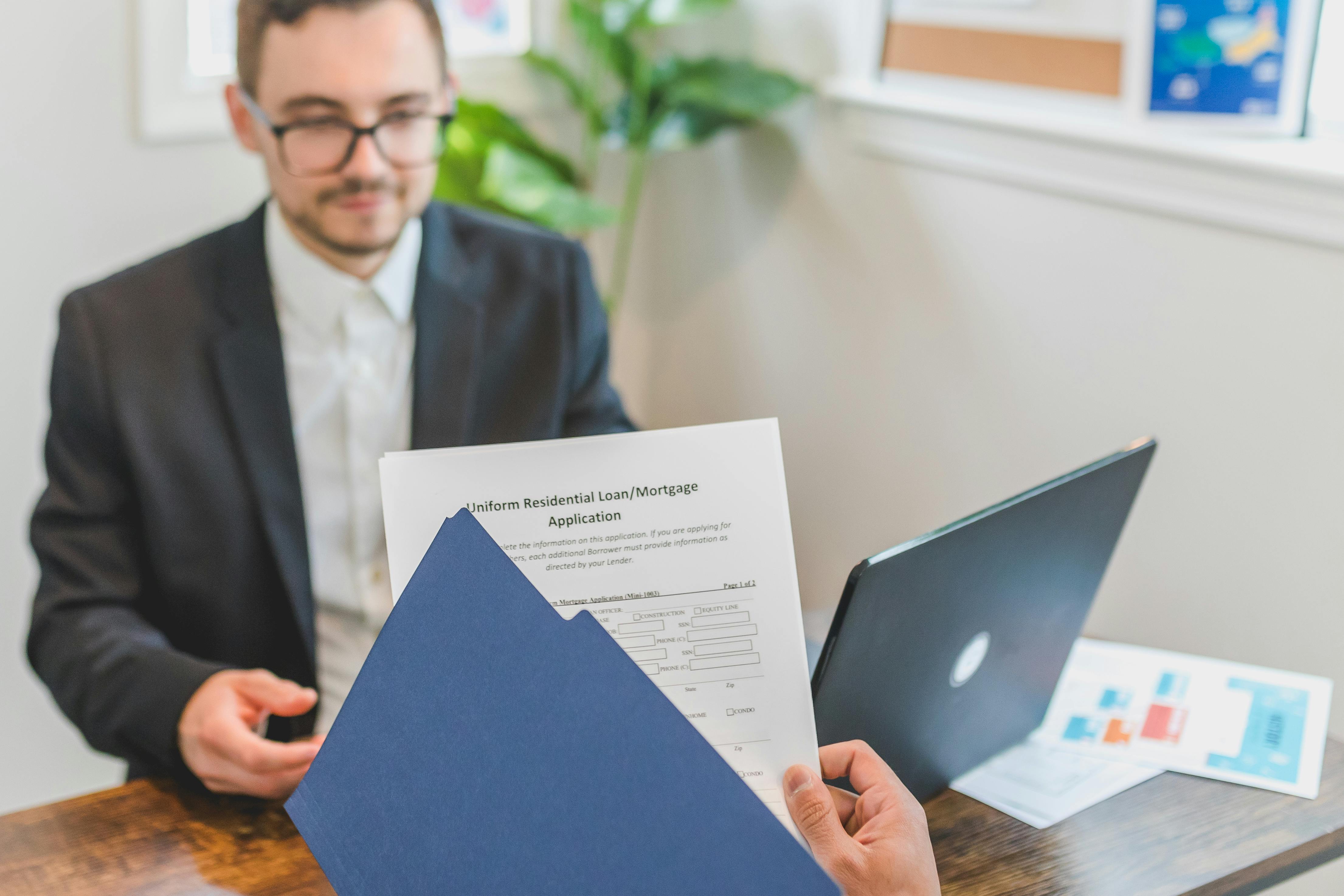
Loan pre-approval helps you understand your borrowing power before you begin house hunting.
Benefits of pre-approval include:
- stronger negotiating position
- faster purchase decisions
- realistic property search
- reduced financial uncertainty
Most lenders assess:
- income
- savings
- expenses
- credit history
- employment stability
This step is essential in any first home buyer guide Australia because it helps buyers avoid wasting time on properties outside their budget.
4. Start Researching Properties

Researching suburbs and property values is a critical part of buying your first home.
You should consider:
- school zones
- transport access
- local amenities
- future development plans
- crime rates
- property growth potential
Attending inspections and auctions can also help you better understand current market conditions.
5. Understand the Property Buying Process

The property buying process in Australia generally follows these steps:
- Finance preparation
- Property search
- Making an offer
- Contract signing
- Cooling-off period
- Building inspections
- Loan approval
- Settlement
- Ownership transfer
Understanding each stage reduces confusion and helps first-home buyers prepare for upcoming responsibilities.
6. Review the Contract Carefully
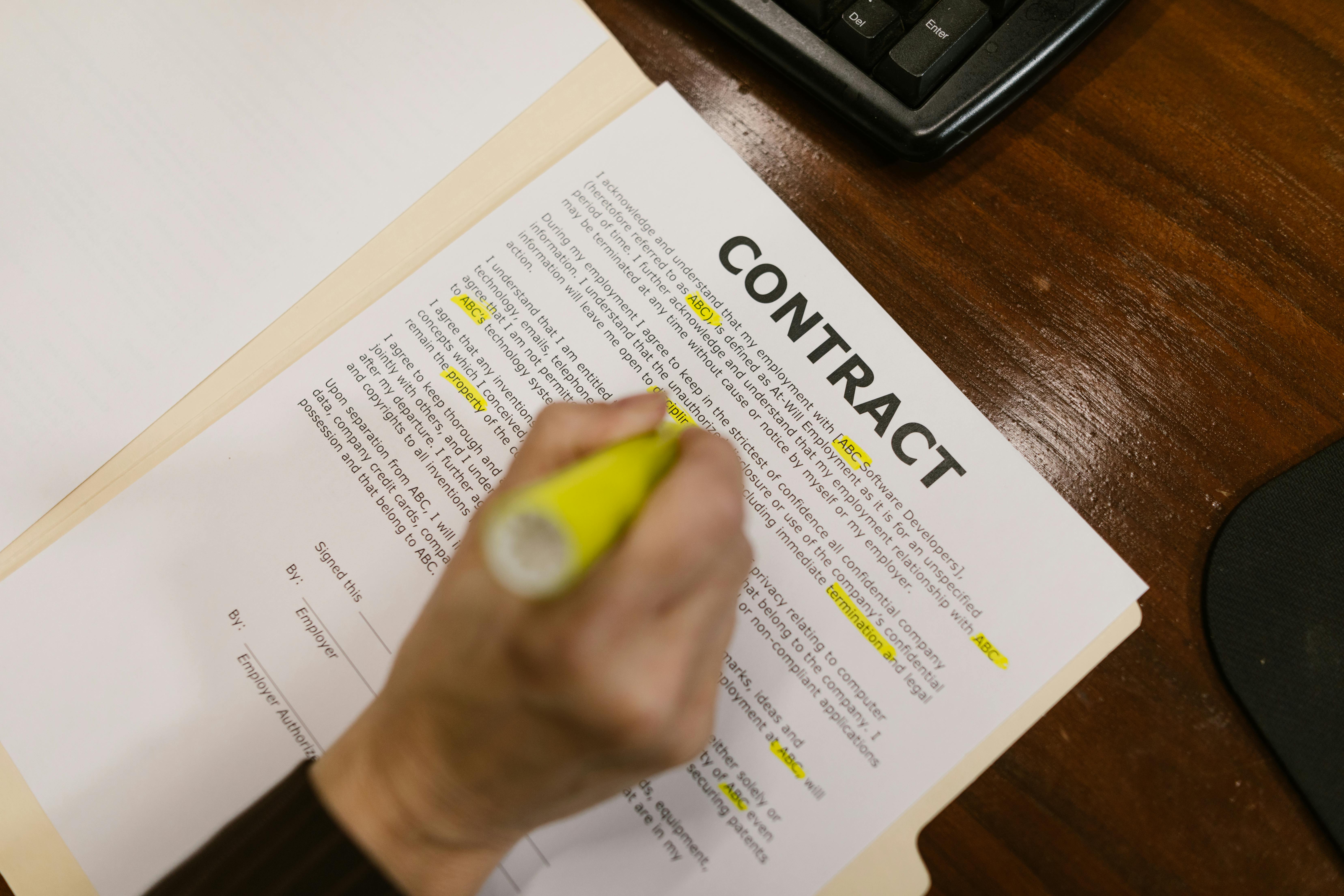
Property contracts contain important legal terms that buyers should never ignore.
Before signing anything, it is highly recommended to work with a conveyancer who can:
- review contract clauses
- explain conditions
- identify legal risks
- check settlement terms
If you are unfamiliar with contracts, you should also read our internal guide on What Does a Conveyancer Do? to better understand the conveyancer’s role during the property buying process.
Hiring professional conveyancing support early can help prevent costly mistakes.
7. Arrange Building and Pest Inspections

A property may appear perfect visually while hiding structural or pest-related problems.
Building and pest inspections can identify:
- termite damage
- water leaks
- roofing issues
- foundation cracks
- electrical concerns
Skipping inspections when buying your first home can lead to expensive repairs later.
8. Hire a Conveyancer Early

One of the smartest decisions in any first home buyer guide Australia is hiring a conveyancer before signing contracts.
A conveyancer helps:
- review legal documents
- conduct property searches
- coordinate with banks
- manage settlement
- transfer ownership correctly
Professional guidance can make the property buying process smoother and far less stressful.
9. Prepare for Settlement
Settlement is the final stage where ownership officially transfers to the buyer.
Before settlement:
- final loan documents are completed
- property adjustments are calculated
- funds are transferred
- legal documents are exchanged
Your conveyancer will coordinate the settlement process and ensure everything is completed correctly.
10. Move Into Your First Home
Once settlement is complete, you officially become the owner of your first property.
Before moving in:
- organise utilities
- update your address
- arrange insurance
- plan moving logistics
Buying your first home is a major milestone, and careful preparation can make the experience much more rewarding.
Common Mistakes First-Home Buyers Should Avoid
Many first-home buyers make avoidable mistakes such as:
- borrowing beyond their budget
- skipping inspections
- not reviewing contracts properly
- rushing decisions
- underestimating additional costs
Following a structured property buying process can help reduce unnecessary risks.
Why Professional Conveyancing Matters
Buying property involves legal obligations, financial deadlines, and complex paperwork. Professional conveyancing support ensures:
- contracts are reviewed properly
- settlement deadlines are met
- legal risks are identified early
- ownership transfers correctly
If you are buying your first home, professional guidance can provide valuable peace of mind throughout the process.
So what should we really understand….
This first home buyer guide Australia highlights the key steps involved in buying your first home and navigating the property buying process successfully.
From budgeting and finance to inspections and settlement, every stage requires careful planning and informed decision-making. Understanding the process early can help first-home buyers avoid stress, reduce risks, and move forward with greater confidence.
Working with experienced professionals such as mortgage brokers and conveyancers can make buying your first home significantly easier and more secure.
FAQs
What is the first step when buying your first home in Australia?
The first step is understanding your budget and obtaining loan pre-approval.
Do first-home buyers pay stamp duty in Australia?
Some states offer stamp duty exemptions or concessions for eligible first-home buyers.
Why do I need a conveyancer when buying property?
A conveyancer manages the legal side of the property buying process and helps protect your interests.
How long does the property buying process take?
The timeline varies, but most property settlements take between 30 and 90 days.
Can first-home buyers get government assistance?
Yes. Eligible buyers may qualify for grants, stamp duty concessions, or government guarantee schemes.
